

Something wicked this way comes. It’s not even Election Day, and already state legislators are waking up to another glorious morning, realizing that a new session is ahead, a fresh opportunity to resurrect terrible ideas killed last session that ought to stay dead.
It’s almost like a bunch of virgins trying to light the black light candle.
It doesn’t matter if last session’s proposal was expensive, unworkable, or might even hurt the people legislators claim to help . . . state legislators are pulling out their cauldrons to concoct more bad potions that will leave taxpayers worse off in the long run. It’s up to taxpayers to watch out to avoid being put under their spell.
After looking at the 2025–26 cycle, NTU State Affairs has a modest suggestion for next year’s agenda—leave a few things buried.
1. Digital ad taxes: The call is coming from inside your marketing budget.
Punish Big Tech and fund a new government program, and some legislators want to call all their constituents and take a bow. Nevermind the neighborhood bakery that just learned what happened to its advertising budget.
As we warned in Utah, costs aimed at punishing social media platforms can travel to small businesses buying ads and customers buying their products.
Leave it dead: The idea that picking on an unpopular taxpayer makes this tax painless for everyone else.
2. Credit card mandates: It’s alive! And your register needs updating.
A system that works so your credit card can be accepted virtually anywhere and payments clear securely and quickly within seconds? Obviously this system needs legislative attention.
Credit card fee bans across the nation looked at exempting the sales tax portion of the purchase from interchange feeds. Illinois made it law and is waiting on implementation, too. We warn that software changes would be necessary, increased compliance costs, and a myriad of other operational headaches could be in our future.
Stitch enough different state requirements to try to make these fees disappear for small businesses and you’ll get Young Frankenstein, only the villagers will be carrying invoices. Bill authors may declare its relief, but small business owners will be calling tech support.
Leave it dead: This checkout experiment. If lawmakers want to lower sales taxes, how about lowering sales taxes?
3. Anti-debanking bills: Practical Magic. Impractical consequences.

Americans shouldn’t lose lawful banking over their political or religious beliefs, and legislators might dance around some midnight margaritas thinking they’ve found the magic solution by just banning debanking. But this goal still needs an actually workable federal fix.
This session, Oklahoma called it “fair banking,” but we warned it could make things more expensive or complicated for the very religious or political consumers politicians were trying to protect. Many of these bills stalled nationwide, and lawmakers need to resist the temptation to fetch the spellbook next year.
Leave it dead: A state-level banking fix that could leave customers without access to banking or credit.
4. 340B expansion: Little Shop of Discounts.
“Feed me, Seymour.” Just don’t ask exactly where the discounts went.
The federal 340B program lets participating providers buy discounted drugs under the assumption they’re doing it to help needy patients. But, as we’ve warned in Kansas and elsewhere, expanding state mandates without accountability raises the question: How much of the discount actually gets to patients?
Audrey II always wanted more. Hospitals and legislators seem the same way. Before feeding 340B with another mandate, states should require transparency of how these benefits actually reach patients.
Leave it dead: Expansion without accountability. Patients deserve cheaper prescriptions, not more subsidies for bureaucracy.
5. Data center bans: Wednesday Addams would like to keep the tax base deceased.
The Addams Family has a disembodied hand and some planning commissions and local communities prefer a heavy one.
“A data center? How unsettling. Someone might build something. The property might generate revenue. Gomez, fetch the smelling salts.”
Communities deserve answers about power, water, and infrastructure costs, but as we have explained, blanket bans and long Morticia-style moratoriums can drive away investment and a thriving tax base. So deals should be scrutinized and ratepayers protected, and developers should pay their own way, but don’t forget that homeowners get stuck carrying more of the load when the commercial tax base is six feet under.
Leave it dead: Rejecting new builds out of reflex. Thing can wave goodbye to every project, he’s not signing your property tax check.

6. Stealth property tax hikes: I see higher bills.
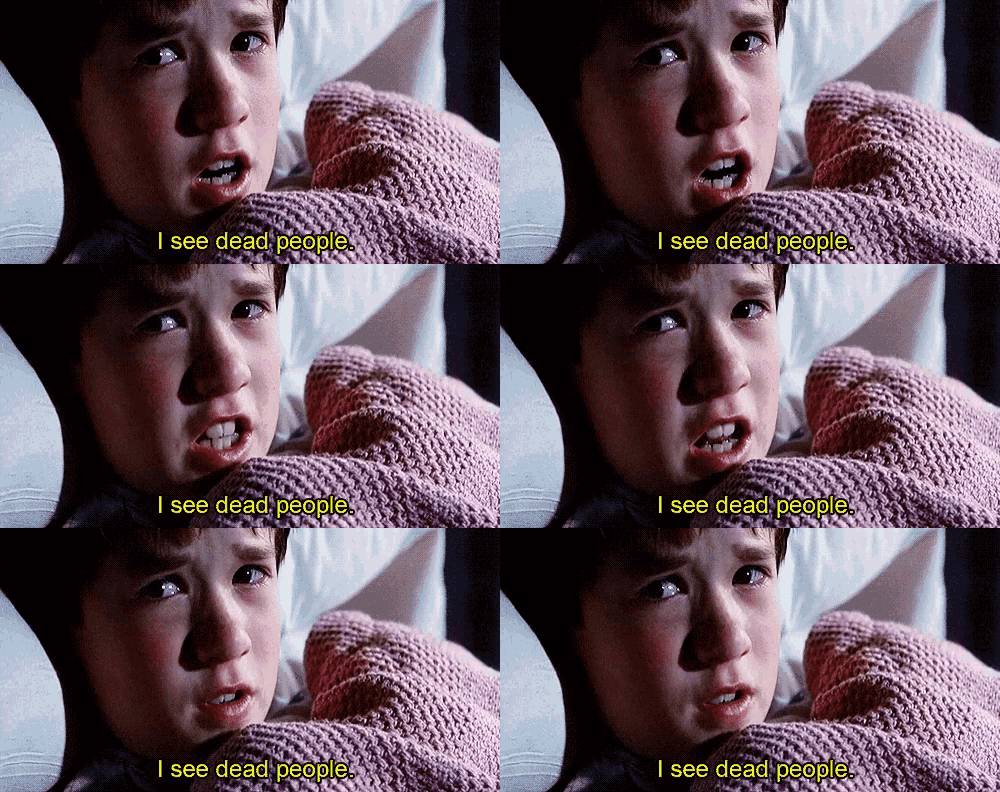
Rates stayed flat, but bills went up? The Sixth Sense had a surprise ending, too. But that stopped charging after you paid for the movie ticket.
Rising assessments can increase property taxes without any new rate increases. Politicians may say it’s restraint, but, when that surprise tax bill increase comes, homeowners may want to know why it comes with another withdrawal.
Instead, Truth in Taxation provisions give taxpayers notice and a voice before officials collect more revenue than the rollback rate. If local officials want more money they ought to explain why before spending it.
Leave it dead: The idea that an unchanged rate means nobody got a tax hike. Bills are paid in dollars not spun talking points.
7. Unemployment insurance fraud: Beetlejuice is not proof of identity.
Say his name three times, and he’ll appear. But now check his paperwork.
Unemployment insurance and other welfare programs exist to help those who have lost their jobs or are truly in need. Criminals using stolen identities and duplicate claims have other career plans.
It’s now showtime for legislators to leave behind their blind eyes to fraud. We’ve recommended UI data matching between states and our Payroll Tax Toolkit lays out further eligibility requirements, including matching death records and finding suspicious payment patterns. The government should be able to distinguish a worker who needs help from someone borrowing a dead person’s identity.
Leave it dead: Fraud prevention as an afterthought. Beetlejuice can haunt the house, but not the trust fund.
In Conclusion
So, next session, taxpayers need to keep pushing for sunlight. What will this cost? Who will pay? Are there unintended consequences that aren’t in a politician’s press release?
The Sanderson sisters knew they couldn’t survive the dawn. A few of these notions need the same light brought on their negative impacts so they stay dead for years to come.