


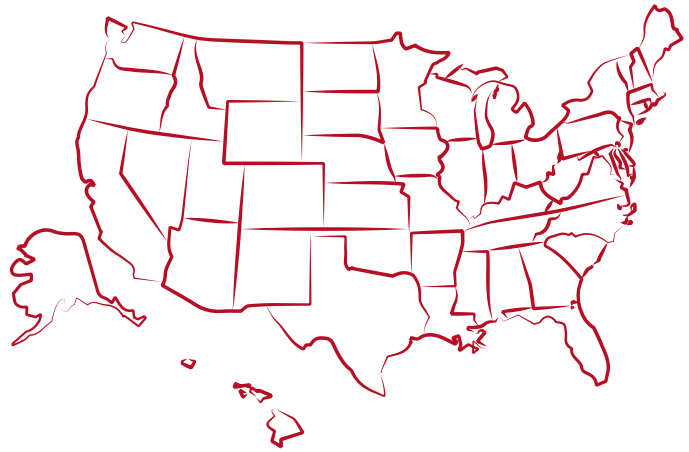
As 2026 draws to a close, millions of Americans across the country will soon make decisions on candidates on their November 3 ballot. In addition to selecting candidates, taxpayers across 24 states will weigh 59 statewide ballot measures that have implications for taxes, government budgeting, and other policies.
In our latest edition of National Taxpayers Union’s Ballot Guide, we have compiled a list of statewide ballot measures that pertain to tax, budget, and free market issues. This important educational publication is intended to serve as a resource for taxpayers no matter where they live, so they can see the impact ballot measures will have on their wallets. By our calculations, these measures could result in billions of dollars in annual tax changes. The sheer scale of these proposals highlights how much is at stake for taxpayers.
There is a broad range of proposals. Some of the most consequential measures would directly increase the burden on taxpayers through a variety of means. For example, Coloradans will decide whether to replace a flat tax on incomes with a graduated system featuring progressive brackets, which would increase income taxes on high earners. Meanwhile, Californians will consider extending top marginal tax rates as well as implementing a one-time wealth tax on billionaires. Beyond changes to statutory rates, multiple states will seek billions of dollars in new borrowing by issuing bonds.
Other measures would constrain the government’s ability to raise revenue. In Washington, a ballot initiative would prohibit the state from levying an income tax. In North Carolina, a measure asks whether to amend the state constitution to bar lawmakers from imposing an income tax rate higher than 3.5%. Similarly, in Iowa, a proposed constitutional amendment would require a two-thirds majority in the state legislature to raise income taxes.
Finally, NTU would like to thank dozens of Secretary of State offices, Ballotpedia, and many others for their help in finding this information. Their contributions have allowed us to provide a clearer picture of what is before the taxpayers this year.
*This guide is for informational purposes only; it is not intended to provide endorsements or recommendations to voters.*
JUMP TO:
Arizona | Arkansas | California | Colorado | Florida | Georgia | Hawaii | Iowa | Louisiana | Maryland | Massachusetts | Minnesota | Missouri | New Mexico | North Carolina | North Dakota | Oklahoma | Rhode Island | South Dakota | Tennessee | Utah | Vermont | Washington | Wyoming
Arizona
Proposition 141: Prohibits both state and local governments from imposing any tax or fee that is a function of vehicle miles traveled. This measure also bans the enactment of any rule or law that would monitor or limit vehicle miles traveled without the consent of the owner. Some exemptions would apply. For example, this does not apply to government-owned vehicles.
Taxpayer Impact: This measure would not have an immediate impact on taxes or spending. It would simply take the prospect of a future tax on vehicle miles traveled off the table.
Duration: In perpetuity
Proposition 316: Prohibits local governments from enacting sales taxes on groceries above 2% of the base price. This measure also mandates that local governments obtain voter approval before implementing or raising taxes on groceries.
Taxpayer Impact: This measure limits the ability of local governments to raise sales taxes on groceries.
Duration: In perpetuity
Proposition 320: Mandates that school districts with 7,500 or more students or that are located in counties with at least 500,000 residents spend at least 60% of their budget on “direct instructional expenses.” Under this measure, it would be left to the discretion of the auditor general to define “direct instructional expenses.” This measure would also require school districts that are not in compliance with this threshold to gradually adjust their expenditures until they reach compliance.
Taxpayer Impact: This measure enhances accountability for schools that receive taxpayer funds, ensuring tax dollars are spent in the classroom. School districts that are not in compliance with the requirement could lose 25% of their Classroom Site Fund allocations after one year. That amount increases in subsequent years if the school district is still not complying.
Duration: In perpetuity
Arkansas
Issue 3: Authorizes the state legislature to create economic development initiatives, including Economic Development Districts, as well as issue loans and grants using taxpayer dollars to promote economic growth across the state.
Taxpayer Impact: This measure does not immediately impact taxes and spending. It gives the state legislature the ability to finance economic development projects. However, these future policies would impact taxpayers and could result in higher taxes.
Duration: In perpetuity
Issue 4: Permits the issuance of up to $500 million in general obligation bonds by the Arkansas Natural Resources Commission for the purpose of funding water-related infrastructure projects.
Taxpayer Impact: These bonds would create a future obligation for Arkansas taxpayers. The debt created by the bond issue would be repaid using the state’s general revenue fund over a period of up to 35 years.
Duration: The bonds would be repaid over a period of up to 35 years.
California
Proposition 1: Permits the state to issue $11.25 billion in general obligation bonds. Funds raised by this bond issue would be used to fund income-qualified housing programs.
Taxpayer Impact: $500 to $600 million annually.
Duration: The bonds would be repaid over approximately a 25-year period.
Proposition 2: Authorizes the state to deposit up to 20% of its general fund tax revenue into the Budget Stabilization Account. This would increase from the current cap of 10%. These deposits would be exempt from the Gann Limit, which caps annual state spending and requires excess revenues to be returned to taxpayers. This measure also allows the state to pay down debt accrued from federal unemployment insurance.
Taxpayer Impact: This measure would not have an immediate impact on tax rates.
Duration: In perpetuity
Proposition 3: Permanently extends top marginal tax rates that are set to expire in 2031 under current law. Specifically, this would apply to single filers earning at least $361,000 or joint filers earning at least $721,000. Under this measure, income tax rates for top earners range from 10.3% to 12.3%. Tax revenues would fund local education programs.
Taxpayer Impact: This would increase taxes above current rates by $5 to $15 billion annually.
Duration: In perpetuity
Proposition 4: Repeals the prohibition on public financing of political campaigns. State and local governments would be allowed to create programs that fund the campaigns of political candidates, subject to various eligibility rules.
Taxpayer Impact: This measure would permit state and local governments to enact policies in the future regarding the public funding of campaigns that would impose costs on taxpayers.
Duration: In perpetuity
Proposition 37: Authorizes the California Housing Finance Agency to issue up to $25 billion in bonds to fund a loan program for individuals seeking to purchase newly-constructed residences. These loans could cover up to 17% of a home’s price. Any person earning up to double the area’s median income is able to apply.
Taxpayer Impact: Bonds would be repaid by homeowners’ payments on their second mortgage. No direct impact on state taxpayers.
Duration: In perpetuity
Proposition 38: Authorizes the state to issue $8.4 billion in general obligation bonds to fund medical research.
Taxpayer Impact: Approximately $500 to $600 million annually for around 20 years
Duration: Bonds will be repaid over approximately 20-year period
Proposition 40: Imposes a one-time, retroactive wealth tax of 5% on individuals and trusts with a net worth of over $1 billion. Revenues from this wealth tax would be used to fund education, health, and food security programs. This measure would apply retroactively to individuals residing in California as of January 1, 2026.
Taxpayer Impact: Tens of billions of dollars in temporary revenues over several years. However, the flight of high-earning taxpayers because of this measure could cause long-term tax revenue predictions to decline.
Duration: One-time tax
Proposition 41: Creates new requirements for approving special taxes by mandating that the state auditor review a special tax proposal before it is presented to voters. The review would include an assessment of whether the program receiving the tax revenue could reduce its annual spending. Special taxes approved by voters would count towards California’s spending limit. This measure would block Proposition 40 if it receives more votes.
Taxpayer Impact: This measure would increase transparency for future ballot measures that would change tax rates. It would also prevent a substantial tax increase from taking effect.
Duration: In perpetuity
Proposition 42: Prohibits the enactment of new taxes on personal property. This measure also restricts retroactive taxation on activities before the tax took effect. This measure would block Proposition 40 if it receives more votes.
Taxpayer Impact: This measure would not immediately raise spending or tax revenues. By restricting new taxes in the future, this measure could lower tax revenues over the long-run.
Duration: In perpetuity
Proposition 43: Requires that new, increased local special taxes approved by voters receive at least two-thirds of the vote to take effect. This would begin on January 1, 2027.
Taxpayer Impact: This measure does not immediately raise or cut existing taxes. It could lower the long-term burden on taxpayers by making new tax increases more difficult to enact.
Duration: In perpetuity
Proposition 44: Requires certain federally-qualified health centers to spend at least 90% of their annual revenue on health care services.
Taxpayer Impact: While this proposition is intended to ensure that dollars are being spent for their intended purpose, this type of regulatory requirement could raise costs for health care providers and institutions and ultimately harm patients. The state expects to spend in the low tens of millions of dollars each year enforcing the new rules, which would be covered by fees from clinics.
Duration: In perpetuity
Proposition 45: Establishes faster environmental reviews, permitting decisions, and court procedures for certain housing, transportation, water, energy, health and public safety projects.
Taxpayer Impact: Local land-use rules and regulations, according to a California Air Resources Board study, were the largest barrier to dense, infill, and affordable housing development. Initially, state and local governments would spend tens of millions of dollars annually to meet new deadlines. The state legislative analyst’s office estimates this may exceed $100 million some years. Applicant and court fees may cover some of the cost. Faster approvals could lower the cost of public projects and encourage development, expanding the property tax base.
Duration: In perpetuity
Colorado
Proposition NN: Allows the state to keep revenue collected above the Taxpayer Bill of Rights (TABOR) limit to be used for K-12 education and other services for children.
Taxpayer Impact: This proposal would not directly raise tax rates, but would reduce future TABOR refunds by allowing the state to hold funds that could be returned to taxpayers. Analysis by the state of Colorado predicts taxpayers would forfeit approximately $4.6 billion in refunds over the first 10 years and increase K-12 funding by up to 2% annually for at least 10 years. This measure would weaken TABOR’s restraint on state spending and raise the education spending base permanently.
Duration: Annual increases would occur for at least 10 years. The total funding increase and authority to retain the excess would continue in perpetuity.
Amendment 82: Creates a constitutional right for consumers to buy natural gas for cooking and heating and for utilities and distributors to sell it.
Taxpayer Impact: Amendment 82 would not directly change taxes or utility rates, and local governments that restrict natural-gas service may face costs to update building codes. However, this measure could save homeowners and businesses expenses of replacing appliances that run on gas or converting buildings to electric service. This amendment would protect consumers’ choices and prevent governments from requiring a single energy source.
Duration: In perpetuity
Florida
Amendment 1: Raises the maximum size of the Budget Stabilization Fund from 10% to 25% of the previous year’s general revenue.
Taxpayer Impact: Amendment 1 requires the state to put up to $750 million into its emergency reserve each year. These deposits would not be new spending but would reduce funds available for tax relief, debt payments, or other budgetary needs. Lawmakers would have the authority to pause a deposit during emergencies or for critical needs. A larger reserve could protect future taxpayers by limiting exposure for tax increases or borrowing. It could also help curb spending cuts during a potential hurricane or economic downturn.
Duration: In perpetuity
Amendment 3: Increases the homestead property tax exemption, lowers the annual assessment-growth cap for non-homestead property and changes how counties and municipalities may use property tax revenue.
Taxpayer Impact: This amendment would increase the non-school homestead exemption from $50,000 to $150,000 in 2027 and $250,000 in 2028. It would also limit annual assessment increases on businesses, rental properties, and second homes to 5%, down from 10%. New Florida residents after 2026 would wait five years for the expanded exemption. Under this measure, property owners would see substantial property tax relief and fewer sharp increases in assessments. The Florida House’s final analysis predicts the amendment would reduce local non-school property tax revenue by nearly $12 billion annually once implemented fully. Local governments may cut spending, raise fees, or ask voters to approve new taxes in response.
Duration: In perpetuity
Georgia
NextGen 911 Fund Amendment: Allows the Legislature to create a dedicated fund for modernizing and operating Georgia’s 911 system.
Taxpayer Impact: This amendment allows lawmakers to place selected revenue into a fund that could be used only for Georgia’s 911 system. Any new taxes or fees would require separate legislation. This dedicated fund would make it more difficult for lawmakers to divert this money to unrelated programs, a guardrail for future funding.
Duration: In perpetuity
Conservation-Use Property Acreage Amendment: Raises the amount of qualifying agricultural and timberland one owner may put under conservation-use assessment from 2,000 to 4,000 acres.
Taxpayer Impact: Property owners with more than 2,000 acres of qualifying land could get reduced property tax assessments on up to 2,000 additional acres. Qualifying land is assessed at 40% of its current-use value as opposed to its possible development value. This amendment lowers taxes for these landowners while reducing property tax revenue for local government and school districts. This new limit would protect farmers and timber owners from being taxed on development value they are not receiving.
Duration: In perpetuity
Hawaii
Question 2: Amends the state constitution to direct the Legislature to create a process allowing counties to issue special bonds for housing-related infrastructure in certain development districts. These bonds could be excluded from county debt limits.
Taxpayer Impact: The amendment itself wouldn’t raise taxes or issue bonds, but allows the Legislature to create rules for counties to borrow money for roads, water systems, sewers, and other infrastructure. The bonds would be secured only by county property tax revenue and would not count toward normal debt limits. This may help build housing infrastructure without using a county’s regular borrowing capacity. However, excluding the bonds from the debt limits makes the county’s total fiscal responsibilities less clear. The Legislature would still set the rules, and each county would decide whether to issue these bonds.
Duration: In perpetuity, although each bond issue would have its own repayment period
Iowa
Amendment 1: Requires approval from two-thirds of both houses of the Legislature to raise state income tax rates or create a new state tax on income.
Taxpayer Impact: This would require broader agreement among lawmakers before the state could raise individual or corporate income tax rates or create a new tax on income. Taxes imposed at the option of a local government would not be covered by this requirement. This amendment would provide strong protection against future income tax increases passed by a narrow majority. Lawmakers would then be encouraged to control spending more and look for greater public support before going to taxpayers to fund a new initiative. Greater stability in tax rates could also help families and businesses plan for the future.
Duration: In perpetuity
Louisiana
Disabled-Veteran Surviving-Spouse Exemption Amendment: Allows the surviving spouse of a deceased veteran to transfer the veteran’s property tax exemption to one new home.
Taxpayer Impact: The Louisiana Legislative Fiscal Office reports that 229 surviving spouses claimed these exemptions in 2025, reducing property tax collections by about $168,000. Only a portion would use the new transfer option each year, so the added costs to local governments are expected to be minimal.
Duration: In perpetuity
Senior Property-Tax Exemption Amendment: Allows local voters to approve an additional property tax exemption for income-eligible homeowners, 65 and older. The exemption increases with age, ranging from $6,000 of assessed value for 65-year-olds to $30,000 for 81-year-olds. This would be in addition to the regular homestead exemption.
Taxpayer Impact: The Louisiana Legislative Fiscal Office says this new exemption might significantly reduce local property tax revenue if adopted. For example, giving just $1,000 in additional assessed value relief to every senior homeowner who currently receives the assessment would reduce collections by $19.4 million each year. Actual costs would depend on voter approval, home values, and ages of participating homeowners. At the statewide average property tax rate, the fiscal office estimates a qualifying homeowner between 65 and 68 could save about $630 annually if his or her home is valuable enough for the full exemption. Still, reductions in overall property tax rates would be fairer than creating exemptions for only certain segments of the population. This proposal would narrow the tax base and leave other homeowners and businesses responsible for paying the full rate.
Duration: In perpetuity
Property-Tax Millage Authority Amendment: Allows a local government to keep its property tax rate below the maximum without losing its power to raise it later. Raising the rate would require support from two-thirds of the local governing board and a public hearing. Voters would not have to approve the increase.
Taxpayer Impact: The Louisiana Legislative Fiscal Office says this could keep property taxes lower for longer, but savings could not be determined. Current law can motivate local officials to raise rates before they lose the power to do so. This amendment removes that pressure. But it would also allow local officials to raise the rate years later without asking voters up to the previously authorized maximum. Requiring a two-thirds vote and public hearing gives taxpayers some protection, but requiring voter approval would provide a stronger safeguard. There may be some short-term tax restraint, but no guarantees of longer-term low tax rates.
Duration: In perpetuity
Special Assessment Income-Limit Amendment: Raises the income limit for a special property tax benefit from $100,000 to $150,000. This program freezes a home’s taxable value for certain seniors, people who are permanently and totally disabled, veterans with a service-connected disability rate of at least 50%, and some military families. The income limit would rise with inflation beginning in 2028. This freeze doesn’t prevent a tax bill from changing if local tax rates change.
Taxpayer Impact: The Louisiana Fiscal Office couldn’t estimate the total tax savings because income information tied to property ownership is not readily available. Already, 422,344 properties receive a special assessment and raising the income limit would allow more to qualify. Local governments would collect less revenue as these homes are protected from future increases in taxable value, with the largest effects after the 2028 reassessment..
Duration: In perpetuity
State Retirement System Unfunded Liabilities Amendment 5: Removes the requirement that nonrecurring state retirement funds be applied to the oldest outstanding unfunded accrued liabilities first. Effectively, it would change how supplemental funds are applied toward unfunded liabilities rather than alter any pension benefits or change the amount of nonrecurring allocated dollars.
Taxpayer Impact: The legislative analysis does not indicate a financial impact on retirement systems because nonrecurring funds are not included in expected pension contributions. The ballot measure provides for more flexibility in pension payments. It is unknown whether this will negatively impact what currently is a debt reducing mechanism.
Duration: In perpetuity
Tax Exemption for Rehabilitated Blighted or Derelict Property Amendment 10: Authorizes a property tax exemption for qualifying blighted or derelict property that has been rehabilitated. The change would grant the legislature authority to establish eligibility parameters for local levels of government.
Taxpayer Impact: The exemption is optional, so the fiscal effect is dependent on adoption at a local level, and therefore the impact to local tax revenues is unknown.
Duration: Unclear, locality-dependent
Drinking Water Utility Service Lines Amendment 7: Allows for the use of public funds to be used in servicing drinking water lines on private property that are potentially made of hazardous materials. The constitutional change would ease restrictions on using public dollars for private property projects to address water quality issues.
Taxpayer Impact: The amendment does not indicate a specific level of required funding. The impact on local costs would be tied to the level of replacement for qualifying lines. It should be noted that using public funds for private property projects could be a concerning precedent for taxpayers, outside the limits of this public health exception.
Duration: In perpetuity
Maryland
Arbitration Reform for State Employees Question 1: Would require the Governor to include expenditures necessary for wages, hours, benefits, and conditions of employment in collective bargaining agreements for state employees within the proposed state budget. The question would also alter the statutory bargaining process for state employees.
Taxpayer Impact: State expenditures would likely increase depending upon compensation, benefits, and other employment terms. The extent to which they would increase is unknown given the collective bargaining agreements have yet to be negotiated. There is therefore a lack of budgetary limits, and the ability for the legislature to control expenditures through the budget process.
Duration: In perpetuity
Massachusetts
Collective Bargaining for CPCS Employees Question 2: Provides employees of the Committee for Public Counsel Services the ability to organize and collectively bargain. Once an agreement is reached the funds would need to be requested from the Governor and included in the state budget.
Taxpayer Impact: State expenditures would likely increase depending upon compensation, benefits and other employment terms. To the extent that they would increase is unknown given the collective bargaining agreements have yet to be negotiated. There is therefore a lack of budgetary limits, and the ability for the legislature to control expenditures through the budget process.
Duration: In perpetuity
State Revenue Limit and Rebate Question 5: Would change the statutory limit on annual state revenue to the prior year’s net state revenue increased by the average growth of wages and salaries over the most recent three years. Any revenue above the limit would be returned to the taxpayers the following year. Revenue from the existing 4% surtax on income more than $1 million would count toward the limit.
Taxpayer Impact: If collections exceed the new limit, the excess would be refunded as opposed to spent or or placed in reserves.This revenue-cap calculation includes the existing 4% surtax, which is currently excluded.
Duration: In perpetuity
Nature for All Fund Question 6: Creates a fund for natural resource conservation but would require a legislative appropriation. The fund would receive 50% of sales and use tax revenue from sporting goods, golf courses, and recreational vehicles. Beginning in July 2028, that amount would increase to 100%.
Taxpayer Impact: This measure does not create a new tax, rather it redirects an existing tax. However, it does have a fiscal impact in that it reduces revenue currently used for general state fiscal purposes that could lead to budget shortfalls.
Duration: In perpetuity
Single Family Home Permitting Question 7: Requires cities and towns to permit single family homes in residentially-zoned areas on lots meeting the minimum standards of 5,000 square feet, 50 feet of frontage, and access to public sewer and water. The measure would allow municipalities to retain authority over certain dimensional specifics.
Taxpayer Impact: The proposal does not change tax or require state appropriations. By easing local zoning restrictions, it could encourage more home construction and help improve housing affordability.
Duration: In perpetuity
Minnesota
Permanent School Fund Amendment: This would alter the framework of how funding is distributed to school districts and charter schools from Minnesota’s existing Permanent School Fund, an endowment funded by school trust land revenues and investments. Payments would change from interest and dividends to 4.5% of its average value over the preceding three years.
Taxpayer Impact: According to research from the Minnesota House, current payments are about 2% to 2.5% of the fund’s value, and this proposition would increase payments to 4.5% of its three-year average. This would provide additional school funding without raising individual income or property taxes. However, paying out a larger share would leave less money in the fund.
Duration: In perpetuity
Missouri
Show-Me Prosperity Fund Amendment 7: This amendment establishes a permanent public endowment with the intent of supporting state government in lieu of taxing.
Taxpayer Impact: The appropriations utilized in a given year would be limited to 3% of the fund’s average market value over the previous five years. While proponents of this amendment suggest it could eliminate the entire tax burden, this would not happen in the near term and the funding mechanism largely depends on the success of investment earnings. In the short term, it would require a significant diversion of taxpayer funds.
Duration: In perpetuity
New Mexico
Higher Education, Special Schools and Tribal School Bonding Question 3: Authorizes $230 million in general obligation bonding for capital improvements, acquiring higher education facilities, special schools, and tribal schools. This funding is backed with a property tax levy for principle, debt service, and expenses.
Taxpayer Impact: This will result in an increase in property taxes.
Duration: Bonds must be issued within 30 months of the election and mature no later than 10 years after being issued.
Library Bonding Question 2: Authorizes $20 million in general obligation bonding for public school, tribal, and public libraries. This funding is backed with a property tax levy for debt service and expenses.
Taxpayer Impact: This will result in an increase in property taxes.
Duration: Bonds must be issued within 30 months of the election and mature no later than 10 years after being issued.
Senior Citizen Facility Bonding Question 1: Authorizes $30 million in general obligation bonding for senior citizen facility construction and improvements. This funding is backed with a property tax levy for principle, interest and expenses.
Taxpayer Impact: This will result in an increase in property taxes.
Duration: Bonds must be issued within 30 months of the election and mature no later than 10 years after being issued.
North Carolina
Property Tax Levy Limits Amendment: The amendment directs the General Assembly to place limits on local property tax increases as opposed to placing a specific numerical cap in the Constitution.
Taxpayer Impact: Limiting property tax growth provides stability for homeowners and business owners. That said, should the amendment pass, the outcome will depend upon the legislation that follows which will determine the calculation.
Duration: In perpetuity
Income Tax Rate Cap Amendment: Reduces the maximum income tax rate to 3.5%, establishing a permanent ceiling.
Taxpayer Impact: This amendment would provide significant taxpayer protections by making it difficult to raise future income taxes without altering the Constitution.
Duration: Effective January 1, 2027, then in perpetuity.
North Dakota
Measure 1: Changes the adoption threshold for constitutional amendments in North Dakota from a simple majority to 60% voter approval.
Taxpayer Impact: A 60% threshold creates a higher bar for constitutional change but also makes it harder to undo amendments by any future majority. Wide fluctuations in state constitutions and lawmaking can destabilize business investment within the state. Reducing the likelihood of major constitutional changes will promote stability and consistency in government policy on a range of issues. But, this ballot measure could reduce the ability of citizens to have a direct impact on the laws that affect their livelihood or reduce tax burdens.
Duration: In perpetuity
Measure 2: Mandates that all public schools provide one free breakfast and one free lunch to students each school day. The state government would be required to reimburse local jurisdictions for this higher cost.
Taxpayer Impact: Some reports have estimated the implementation of this amendment would increase state spending by about $67 million each year.
Duration: In perpetuity
Oklahoma
State Question 847: Lowers the constitutional cap on year-over-year increases in property valuations used to calculate ad valorem taxes.
Taxpayer Impact: This would put a tighter limit on how quickly Oklahoma can increase the taxable value of property, helping homeowners and businesses avoid large property-tax increases based on rising property values. Beginning in 2027, the measure would reduce the annual valuation cap from 5% to 4% for most properties and from 3% to 1.75% for homesteads and agricultural property. This provides taxpayers with greater predictability and protection from rapidly escalating property-tax burdens.
Duration: In perpetuity
Rhode Island
Question 1: Permits the issuance of $100 million in bonds to fund infrastructure and economic development projects.
Taxpayer Impact: The state has not provided an annual cost estimate.
Duration: The state has not provided that information.
Question 2: Permits the issuance of $5 million in bonds to fund environmental preservation and water infrastructure projects.
Taxpayer Impact: The state has not provided an annual cost estimate.
Duration: The state has not provided that information.
Question 3: Permits the issuance of $275 million in bonds to fund construction and improvements of higher education facilities.
Taxpayer Impact: The state has not provided an annual cost estimate.
Duration: The state has not provided that information.
Question 4: Permits the issuance of $50 million in bonds to fund cultural and historical projects.
Taxpayer Impact: The state has not provided an annual cost estimate.
Duration: The state has not provided that information.
Question 5: Permits the issuance of $120 million in bonds to fund affordable housing construction.
Taxpayer Impact: The state has not provided an annual cost estimate.
Duration: The state has not provided that information.
South Dakota
Amendment I: Would require South Dakota’s expanded Medicaid program to be reevaluated if federal funding falls below 90% of the program’s cost, protecting state taxpayers from being forced to absorb a larger share of the bill.
Taxpayer Impact: This amendment would create a safeguard for state taxpayers by protecting the state from being locked into expanded Medicaid obligations if the federal government reduces its share of the program’s costs. The federal government currently finances a significant portion of Medicaid expansion, but federal funding commitments can change over time, potentially leaving states to shoulder more of the burden. Amendment I would condition South Dakota’s obligation to maintain expanded Medicaid coverage on the federal government continuing to provide at least 90% of the required funding. This approach protects South Dakota taxpayers from an open-ended federal cost shift and ensures that policymakers can reassess the program if Washington reduces its financial commitment.
Duration: In perpetuity
Amendment K: Establishes a constitutional trust for unclaimed property, creating a dedicated fund for money that goes unclaimed rather than allowing those funds to be treated as general state revenue.
Taxpayer Impact: Amendment K would move South Dakota away from relying on unclaimed property as a recurring source of general-fund revenue and instead preserve the principal in a dedicated trust, allowing the state to use a portion of the investment earnings for its budget. Because unclaimed property can ultimately be claimed by its rightful owners, this structure separates those funds from ordinary government spending while creating a more stable, long-term revenue stream. Current law already caps the amount transferred to the general fund.
Duration: In perpetuity
Tennessee
Amendment 2: Amends the state constitution to prohibit the Legislature from ever levying, authorizing, or permitting a state tax on real, personal, or mixed property.
Taxpayer Impact: This would provide an important safeguard against the creation of a new state property tax. Tennessee taxpayers have gone more than 75 years without paying a state property tax, and the amendment would ensure that future lawmakers cannot revive one through ordinary legislation. While the amendment would not change current property tax bills and would leave county and municipal property taxes untouched, it would remove a potential avenue for expanding the state’s tax requirements and require any future effort to impose a state property tax to clear the significantly higher hurdle of another constitutional amendment. That means greater protection against future tax increases.
Duration: In perpetuity
Utah
Constitutional Amendment: Requires citizen-led ballot measures that create a new tax, raise taxes, or add a property tax to receive at least 60% of the vote to pass, instead of just a simple majority.
Taxpayer Impact: This constitutional amendment would require a supermajority within the state legislature to raise taxes or fees. Such a requirement would mandate broader consensus before increasing taxes.
Duration: In perpetuity
Vermont
Proposal 3: Establish a state constitutional right to organize or join a labor organization for the purpose of collective bargaining.
Taxpayer Impact: This proposal would create a constitutional right for workers in Vermont to join a union and to collectively bargain. It would essentially prohibit any future attempts for Vermont to become a “right to work” state, which gives workers the choice to join a union or not. In turn, this change could make it harder for businesses to control labor costs and adjust employment policies..
Duration: In perpetuity
Washington State
Initiative 645: Repeals a 9.9% tax on individual and household wage income above $1 million per year and prohibits future taxes on income.
Taxpayer Impact: This initiative would stop a future annual tax increase of $3.1 billion from taking effect, the largest tax hike in Washington State history. The state earlier this year passed S.B. 6346, which institutes a new 9.9% tax on income, with a $1 million standard deduction, regardless of the taxpayer’s filing status, serving to restrict the tax to millionaires. This new standard deduction would be indexed to inflation. Nonresidents would multiply the standard deduction by a percentage equal to the ratio of Washington income to federal income.This measure would change law in Washington State, which has never had an income tax. Impact on revenue is unclear, as high-income residents could flee to lower tax jurisdictions.
Duration: Effect beginning in 2029, then in perpetuity
Wyoming
Initiative 1: Exempt 50% of the assessed value of a qualifying homeowner’s primary residence from property taxation.
Taxpayer Impact: The state's fiscal estimate projects a reduction in state revenue of about $92.6 million in FY2028 and $95.9 million in FY2029. The state has not released a revenue estimate for how this measure would impact local governments.
Duration: In perpetuity